

2026 Saskatchewan Speech-Language Pathology Conference - One Profession, Many Contexts: Connecting Education, Practice, and Partnership
Event Details
 |
Format: In-person |
 |
Target Audience: Speech language pathologists, researchers, clinicians, and students |
 |
Date & Time: November 13 & 14, 2026︱8:30 a.m. to 4:30 p.m. |
 |
Location: Health Sciences Bldg, University of Saskatchewan, Saskatoon |
 |
Registration: Open October 1, 2026 |
 |
Fees: $175 + taxes |
Join speech-language pathologists, students, educators, and partners for two days of learning, connection, and professional growth. The 2026 Saskatchewan Speech-Language Pathology Conference will bring our community together to celebrate the breadth of SLP practice and explore how education, clinical practice, culture, and collaboration can strengthen the profession across diverse settings and communities.
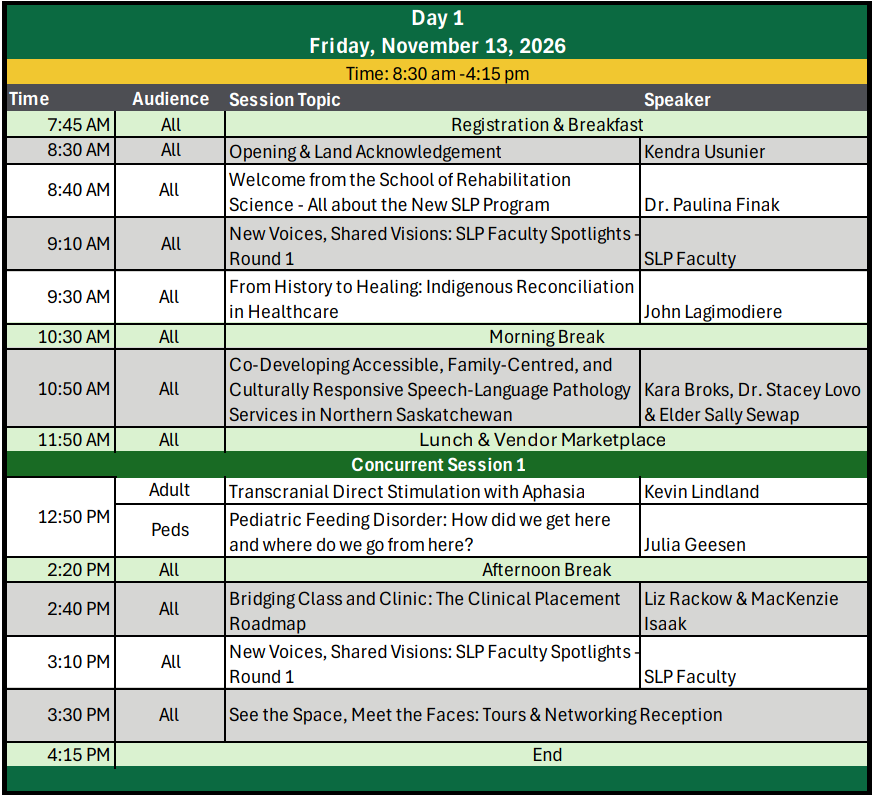
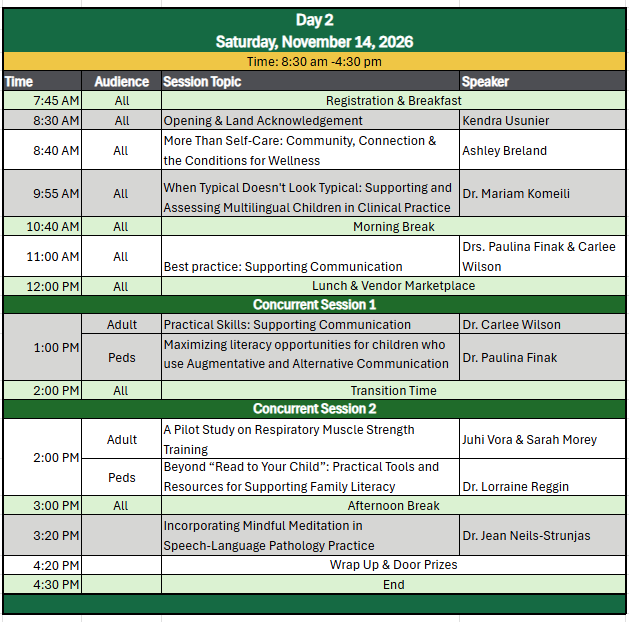
Through engaging presentations, shared learning, and adult- and pediatric-focused sessions, participants will explore topics including Indigenous reconciliation in healthcare, culturally responsive and family-centered SLP services, aphasia and transcranial direct stimulation, feeding, multilingual children, supported communication, respiratory muscle strength training, parent coaching and reading, clinician well-being, and mindful meditation in SLP practice. The conference will also feature updates from the University of Saskatchewan’s new SLP program, clinical education, faculty connections, and networking opportunities.
Agenda
Speaker Information
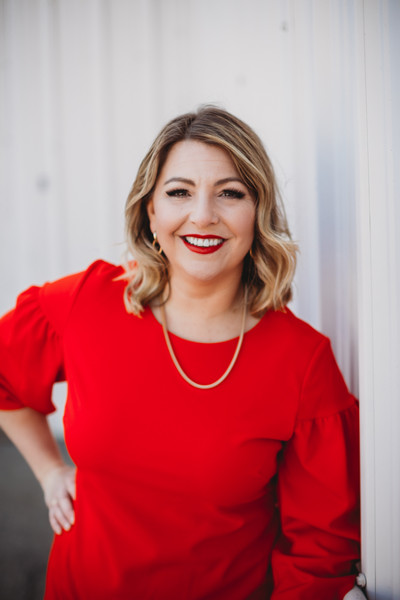
Kara Broks, B.Sc., M.Sc., (C) S-LP, CCC-SLP, is a Speech-Language Pathologist, educator, clinician, and faculty instructor in the School of Rehabilitation Science at the University of Saskatchewan. With more than twenty years of experience, her work spans clinical practice, professional education, and the development of accessible communication services across Saskatchewan.
As Founder and Director of Speech Language Network Ltd., Kara has worked with children, adults, families, schools, healthcare providers, and communities in urban, rural, remote, and northern settings. She served as the Speech-Language Pathology Implementation Coordinator for the development of the University of Saskatchewan's inaugural Master of Speech-Language Pathology (MSLP) program and continues to contribute to teaching, curriculum development, and the preparation of future clinicians.
Her recent work focuses on advancing equitable access to speech-language pathology services through community partnerships, capacity-building, and innovative service delivery models in northern Saskatchewan. She is passionate about working alongside communities to co-create sustainable, culturally responsive services that reflect local priorities and strengthen opportunities for communication, participation, and wellbeing across the lifespan.
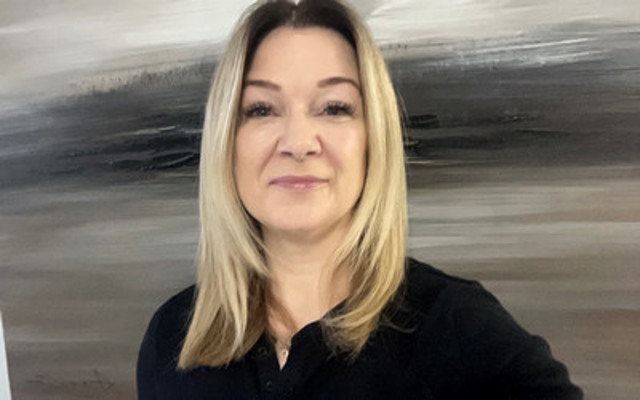
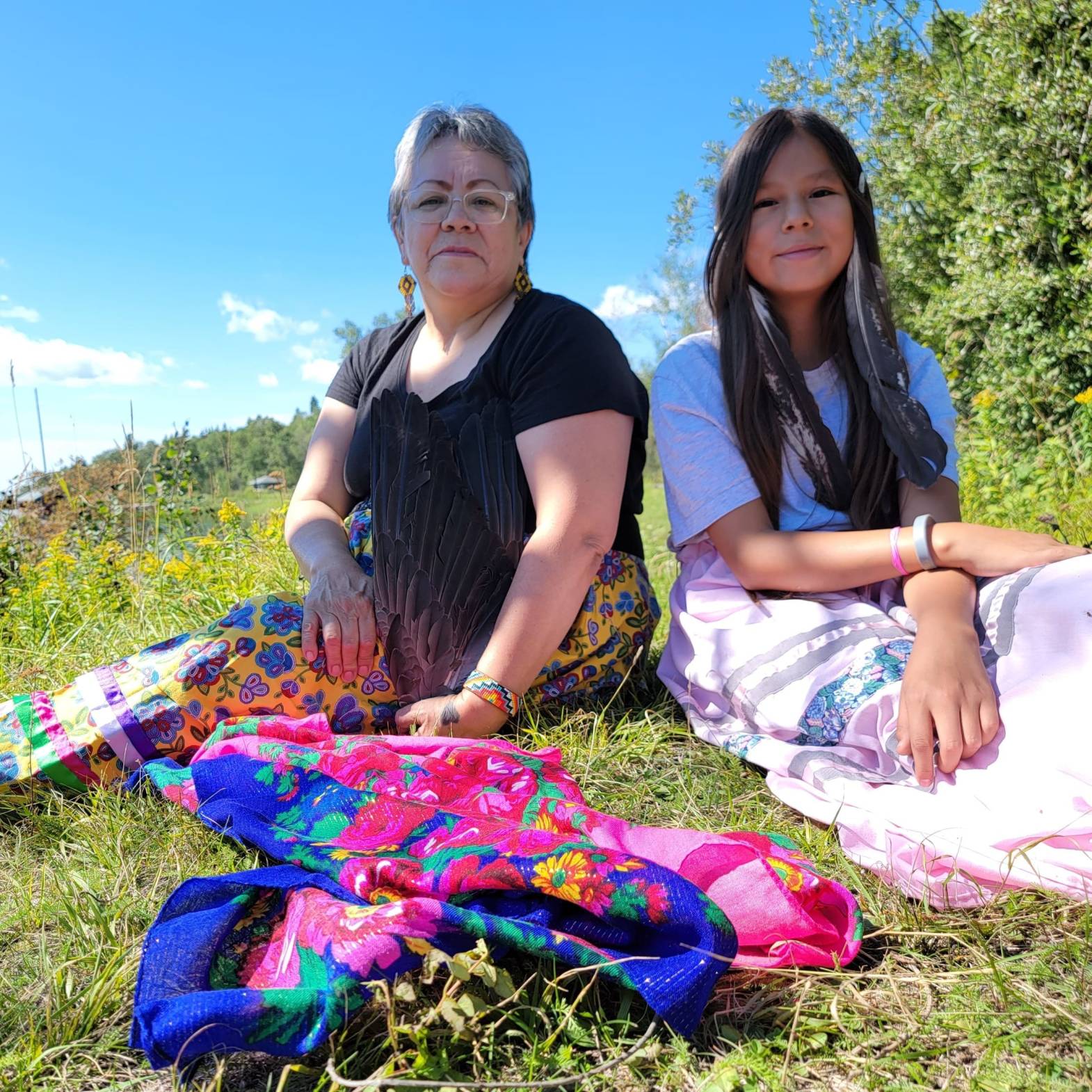
Dr. Stacey Lovo is a fourth-generation settler living on Treaty 6 Territory and Homeland of the Métis Peoples. She is a Physical Therapist by background, Associate Professor in the School of Rehabilitation Science at the University of Saskatchewan and Director of Virtual Physiotherapy and Rehabilitation at Saskatchewan’s Virtual Health Hub. Deeply rooted in community collaboration, her work focuses on co-developing innovative virtual care models that respond to the expressed needs of First Nation and Métis communities. Her work centers on culturally responsive care built on trust, relationships, and community leadership.
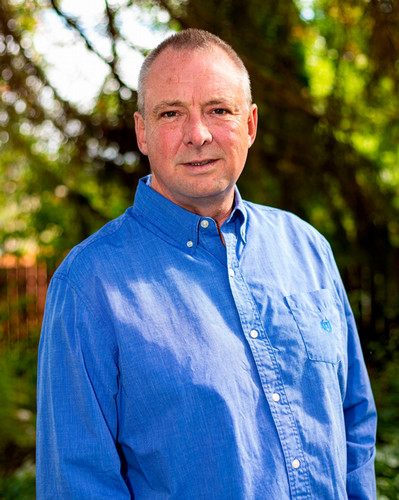
Biography coming soon.
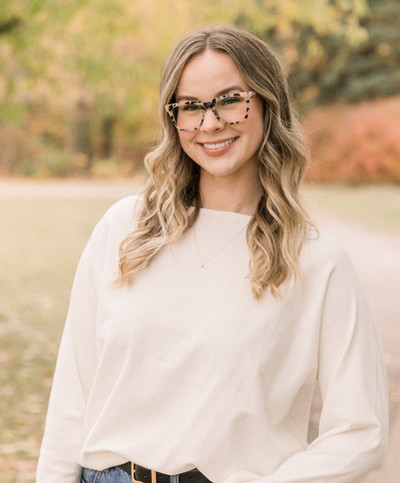
As a registered Speech-Language Pathologist, she strives to provide collaborative, strengths-based clinical practice, rooted in connection. MacKenzie brings experience across a variety of clinical settings and founded her own private practice. Her experience has particular depth in language development and AAC, social communication, speech sounds, and neurogenic communication disorders. She is committed to helping students develop the skills, connections, and confidence to provide meaningful communication support.
Outside of work, MacKenzie enjoys spending time with family and friends, baking, being active, and getting outside.
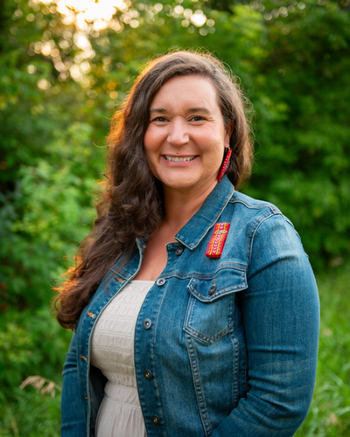
Ashley is a Red River Métis social worker and the owner of Breland Counselling & Support based in Saskatoon a group practice grounded in care, connection, and community.
She holds undergraduate degrees in psychology and social work, as well as a Master of Social Work degree from the University of Regina. Her work is rooted in an anti-oppressive, anti-colonial lens, with a deep respect for the ways systems, relationships, and lived experiences shape how we move through the world.
Ashley is especially passionate about supporting women, mothers, and caregivers, helping people navigate relationships with more clarity, compassion, and steadiness. She values shared learning, lived experience, and the wisdom already present within individuals, families, and community. Her approach is warm, collaborative, and grounded in the belief that care should feel human, accessible, and connected.
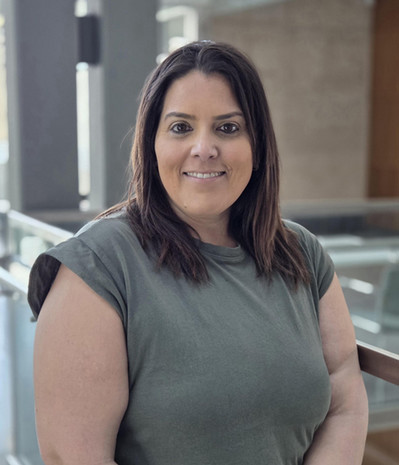
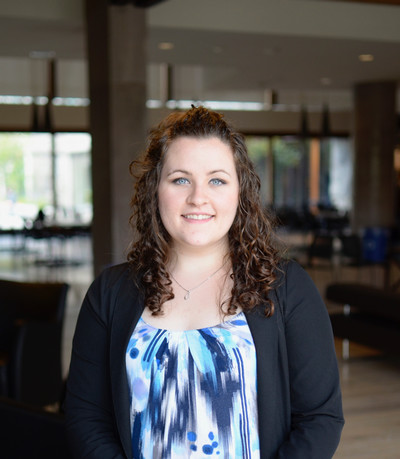
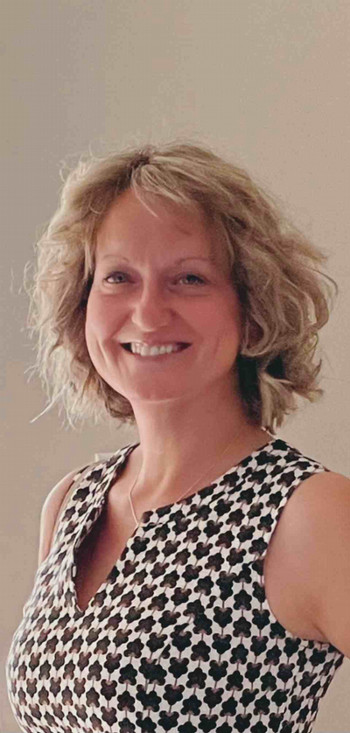
Dr. Paulina Finak is an Assistant Professor in the School of Rehabilitation Science and Program Chair of the Master of Speech-Language Pathology (MSLP) Program at the University of Saskatchewan. She has more than 30 years of clinical experience working with children with speech impairments and physical disabilities, in multidisciplinary settings. Prior to joining the University of Saskatchewan, she worked at the Children’s Hospital of Eastern Ontario (CHEO) and the Ottawa Children’s Treatment Centre as a speech-language pathologist and a Clinical Coordinator of a multidisciplinary team. Dr. Finak's research focuses on how environmental factors can support literacy development for children who use augmentative and alternative communication (AAC). In this presentation, she will share findings from two qualitative research studies exploring literacy opportunities from the perspectives of children who use AAC, adults reflecting on their childhood experiences, and caregivers.
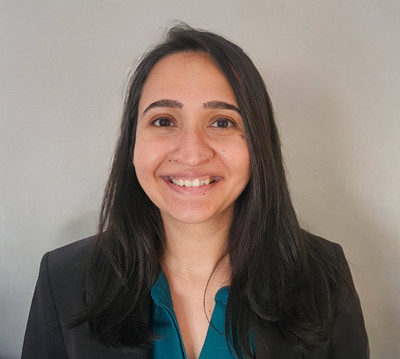
Juhi Vora, M.A., CCC-SLP, is a medical speech-language pathologist with over a decade of experience specializing in dysphagia and neurogenic communication disorders. She has expertise in evaluating and treating adult and geriatric populations across the continuum of care, including acute care, home health, and outpatient settings.
Juhi holds certifications in LSVT LOUD, FEES, and VitalStim. She currently serves as a Board Member of the Council on Academic Accreditation in Audiology and Speech-Language Pathology (CAA) and as a President-Elect with the Speech-Language-Hearing Association of Virginia (SHAV). Juhi’s scholarly work includes a published case report on dysphagia management in acute care post–COVID-19 patients (ASHA Perspectives, 2025), respiratory muscle training program impact in acute care (AJSLP, 2026), along with research focused on job satisfaction and workforce sustainability in home health care and emerging advancements in artificial intelligence within the field of speech-language pathology. Her professional interests center on evidence-based dysphagia management, interdisciplinary collaboration, and translating research into practical, clinically applicable decision-making frameworks.
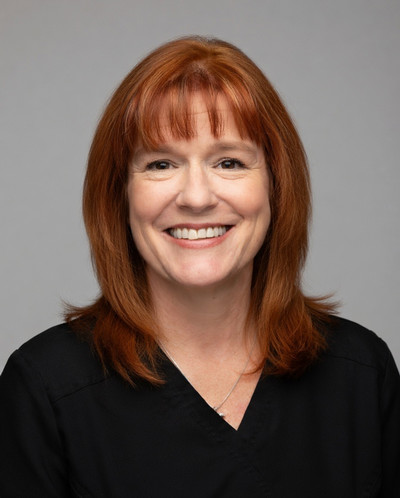
Sarah Morey, M.S., CCC-SLP, is a Clinical Level IV Speech-Language Pathologist at Winchester Medical Center, a Level II Trauma Center in Virginia's Shenandoah. She holds an appointment as a Clinical Associate Professor at Shenandoah University's School of Health Professions and serves as an elected Member at Large on the board of the Speech-Language-Hearing Association of Virginia (SHAV). In 2026, she was appointed to the Virginia Board of Audiology and Speech-Language Pathology.
With over 15 years of experience across acute care, acute rehabilitation, outpatient, and school-based settings, Sarah specializes in dysphagia management, holding certifications as a FEES Certified Clinician and Trainer, MBSImP Certified Clinician, VitalStim/DINES Provider, and LSVT LOUD provider. Her clinical research includes a Respiratory Muscle Strength Training (RMST) pilot program that reduced 30-day COPD readmissions, published in The ASHA Leader and in the American Journal of Speech-Language Pathology. She has also worked in developing pediatric feeding and NICU SLP programs.
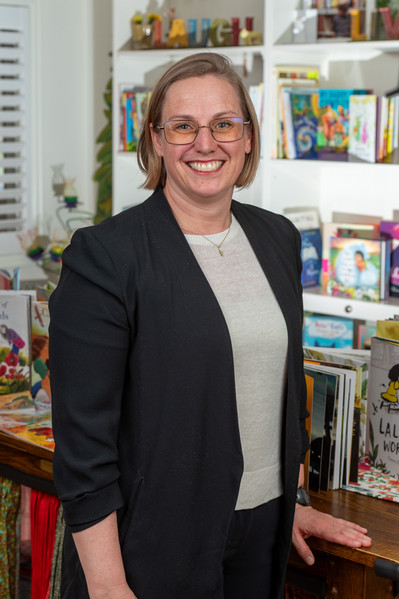
Dr. Lorraine Reggin is an Assistant Professor in the Master of Speech-Language Pathology program at the University of Saskatchewan. She is a registered speech-language pathologist with nearly a decade of clinical experience working with children and families in Calgary-area schools. She holds an MSc in Speech-Language Pathology from the University of British Columbia and a PhD in Cognitive Psychology from the University of Calgary.
Her research focuses on children's language and literacy development, particularly how early experiences, caregiver-child interactions, and the home language environment influence developmental outcomes. She co-leads “Early Words in Health Care,” a community-based research project examining how early experiences and supports during well-child visits relate to children's language development and family literacy practices.
Previously, Lorraine led community-engaged research and knowledge mobilization initiatives through the Owerko Centre for Neurodevelopment and Child Mental Health and Little Red Reading House at the University of Calgary, translating research into practical resources for families, educators, and community organizations. Her work brings together developmental science, clinical practice, and community partnerships to help ensure that research reaches the families who can benefit from it.
To learn more about how parents can support reading, watch this short video developed for parents and caregivers.
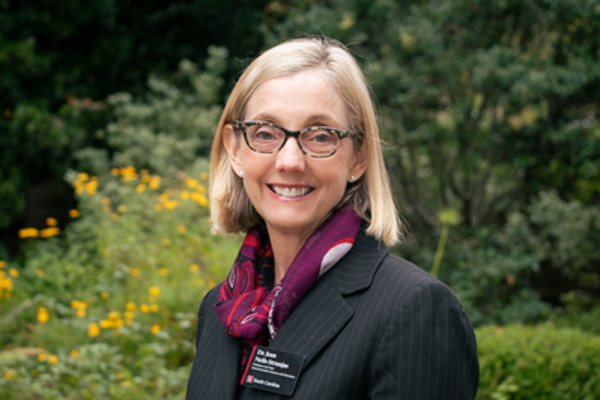
Dr. Jean Neils-Strunjas is a scholar, clinician, and researcher whose work advances compassionate, evidence-based care for older adults with dementia and other neurological disorders. Her research focuses on improving diagnostic and treatment approaches for cognitive-communication, speech, language, memory, and writing impairments through behavioral intervention and interprofessional collaboration. Her early studies described behavioral characteristics associated with Alzheimer’s disease; her work has since expanded to interventions designed to reduce cognitive decline, sustain daily functioning, and enhance quality of life.
Dr. Neils-Strunjas served as Principal Investigator on an NIH-funded study of writing abilities in older adults with dementia and Alzheimer’s disease symptoms. She has developed and evaluated innovative behavioral interventions for communication and memory challenges associated with dementia. Her collaborative work includes Bingocize, a statewide student-run nursing-home program that supports physical and mental health among persons with dementia, and a CDC-funded community-based mindful walking intervention for adults at risk for dementia.
She also leads community intergenerational book clubs that address social isolation and cognitive well-being. Her career reflects a sustained commitment to humane, person-centered support for individuals across the lifespan and with different levels of ability. Her perspective is especially valuable as we consider mindful meditation’s potential role in speech-language pathology.
Registration Information
Fee: $175 + taxes
A special rate is available for Saskatchewan Health Authority employees. A discount code has been distributed by SHA.
Unable to attend live? Purchase the event recording
Recording only: $80